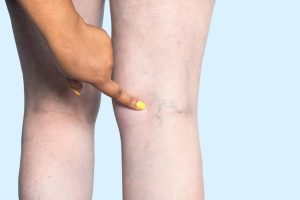
What is Chronic Venous Insufficiency?
Chronic venous insufficiency (CVI) is a common medical condition where the veins in the legs struggle to return blood to the heart, leading to blood pooling in the lower extremities. This vein disease, often referred to as venous insufficiency, occurs when the valves in the veins become damaged or weakened, impairing proper blood flow. According to medical experts, CVI affects approximately 1 in 20 adults, with the risk increasing with age, particularly in individuals over 70. The condition is not typically life-threatening but can significantly impact quality of life if left untreated.
Chronic Venous Insufficiency Symptoms
The symptoms of chronic venous insufficiency vary in severity but are often noticeable in the legs and ankles. Common chronic venous insufficiency symptoms include:
- Swelling in the legs or ankles, often worsening after prolonged standing or sitting
- Aching, cramping, or a heavy feeling in the legs
- Varicose veins or spider veins
- Skin changes, such as discoloration, thickening, or a leathery appearance
- Itching or tingling sensations
- In severe cases, leg ulcers that are slow to heal
These symptoms can range from mild discomfort to debilitating complications, making early diagnosis and treatment crucial. For instance, trump leg swelling and trump’s ankles became a topic of public interest when photos surfaced showing visible swelling, prompting speculation about trump health concerns.
Trump Diagnosed with Chronic Venous Insufficiency
In July 2025, President Trump was diagnosed with chronic venous insufficiency after noticing mild swelling in his lower legs, as announced by the White House. The trump diagnosis 2025 followed a comprehensive medical evaluation, including vascular studies and ultrasounds, which confirmed CVI but ruled out more serious conditions like deep vein thrombosis or arterial disease. At trump age 79, this trump vein condition is considered a benign and common issue, particularly for older adults. The White House emphasized that Trump’s health remains excellent, with no signs of heart failure or systemic illness.
The trump swollen ankle picture circulating online sparked widespread discussion about trump health issues today. Alongside trump leg swelling, bruising on his hands was attributed to frequent handshaking and aspirin use, not directly related to chronic venous insufficiency trump. This trump medical condition has drawn attention to CVI, shedding light on a condition that affects millions.
Causes and Risk Factors of CVI
Chronic venous insufficiency is often linked to a combination of genetic and lifestyle factors. Key risk factors include:
- Age: As seen in trump diagnosed chronic, the condition is more prevalent in older individuals.
- Obesity: Excess weight puts additional pressure on leg veins, increasing the risk of venous insufficiency.
- Sedentary lifestyle: Prolonged sitting or standing can exacerbate chronic venous issues.
- Family history: Genetics play a significant role in vein health.
- Previous vein damage: A history of blood clots can damage vein valves, leading to CVI.
In Trump’s case, his age and possibly his active public life, involving long periods of standing, may have contributed to trump venous insufficiency. Experts note that venous conditions like CVI Trump are manageable with proper care, even for high-profile individuals like Donald Trump.
Treatment and Management of Chronic Venous Insufficiency
While chronic venous insufficiency is a progressive condition that cannot be reversed, it can be effectively managed to improve quality of life. Treatment options include:
- Compression therapy: Wearing medical-grade compression stockings to reduce trump swelling and improve blood flow.
- Leg elevation: Raising the legs above heart level to alleviate pressure on veins.
- Exercise: Regular walking strengthens calf muscles, aiding blood circulation.
- Weight management: Maintaining a healthy weight reduces strain on veins.
- Medications or procedures: In severe cases, doctors may recommend blood thinners, vein ablation, or surgery to address trump vein issues.
For Trump diagnosed with CVI, these conservative treatments are likely part of his management plan, ensuring president trump health remains stable. Experts emphasize that trump chronic disease does not pose a significant threat to life expectancy but requires ongoing care to prevent complications like ulcers or skin infections.
Why Trump’s Diagnosis Matters
The Donald Trump diagnosis of chronic venous insufficiency has brought this condition into the spotlight, raising awareness about vein disease and its impact. Public interest in trump illness and trump health underscores the importance of transparency in leaders’ health, especially for someone like Trump, who became the oldest U.S. president sworn into office at 78. The trump vein issue serves as a reminder that CVI is a common condition that can affect anyone, regardless of status.
Conclusion
Chronic venous insufficiency is a manageable condition that affects millions, including high-profile figures like President Trump. By understanding what is chronic venous insufficiency, recognizing chronic venous insufficiency symptoms, and seeking timely treatment, individuals can maintain their quality of life. The trump diagnosis highlights the importance of addressing trump health concerns proactively, ensuring that trump legs and overall well-being are supported through proper medical care. If you suspect you have CVI, consult a healthcare professional to explore treatment options and prevent complications.
Sources: Cleveland Clinic, Johns Hopkins, CNN, CBS News, The Guardian, TIME