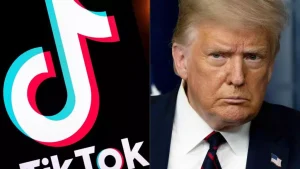
The discussion surrounding the TikTok ban in the US has become a hot topic in recent years, fueling debates on privacy, data security, and the influence of social media on society. With millions of American users, the potential ban of this popular app raises numerous questions about its implications for both users and content creators.
Background on TikTok
TikTok, a social media platform owned by Chinese company ByteDance, has rapidly gained popularity in the US, particularly among younger audiences. The app allows users to create and share short videos set to music, making it a hub for creativity, trends, and viral challenges. However, concerns about data privacy and national security have led to discussions about a potential ban.
Reasons for the TikTok Ban
- Data Privacy Concerns: One of the primary arguments for the TikTok ban is the potential mishandling of user data. Critics argue that the app collects extensive data, which could be accessed by the Chinese government due to China’s strict cybersecurity laws.
- National Security: US officials have expressed fears that TikTok could be used for espionage or to spread misinformation. These concerns have prompted investigations and calls for stricter regulations on foreign-owned tech companies.
- Influence on Youth: The platform’s significant influence on younger demographics has led to worries about the effects of its content on mental health, behavior, and societal norms.
Legal and Political Landscape
The discussion of a TikTok ban has seen involvement from various political figures and government agencies. In 2020, then-President Donald Trump signed executive orders aimed at banning the app, citing national security concerns. However, legal challenges and public backlash delayed any significant action. As of now, the Biden administration has been reviewing the situation, weighing the need for regulations against the potential backlash from users and creators.
Impact of a Ban
- Content Creators: A ban on TikTok would have a significant impact on the vast community of content creators who rely on the platform for income and exposure. Many have built their brands and careers on TikTok, and losing this platform could be devastating.
- Market Dynamics: A TikTok ban could lead to a surge in users migrating to alternative platforms such as Instagram Reels, YouTube Shorts, or Snapchat. This shift could reshape the landscape of social media and change how brands interact with their audiences.
- Cultural Shifts: TikTok has become a cultural phenomenon, influencing music trends, fashion, and even political movements. A ban could hinder the rapid dissemination of ideas and trends that have become synonymous with the platform.
Conclusion
The TikTok ban in the US remains a contentious issue with far-reaching implications. As discussions continue, both users and policymakers must weigh the benefits of the app against the potential risks. Whether or not a ban occurs, the conversation around data privacy, security, and the influence of social media will undoubtedly persist, shaping the future of digital communication in the US.Stay tuned for updates on this evolving situation, and consider how it may affect you or your business in the digital landscape!